Increasing foster care capacity: sharing ideas for growth
The Department for Education (DfE) is committed to creating 10,000 additional foster care places by the end of this Parliament, so that every child who needs one has a place in a loving family home. This forms part of its wider programme of children's social care reform.
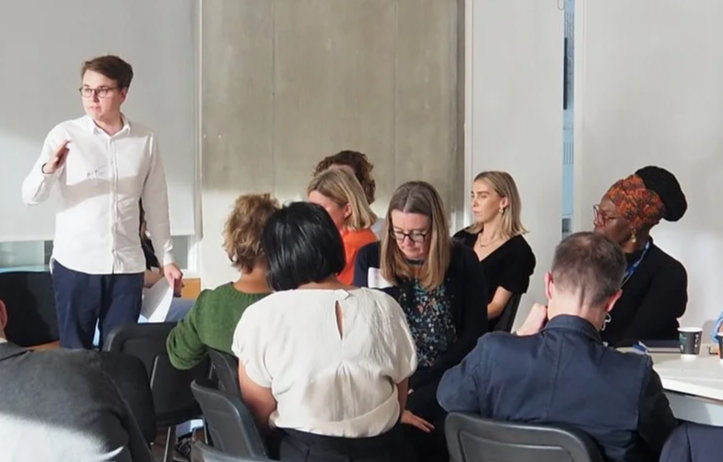
Earlier this year, DfE and the Impact Economy Collective convened by AchieveGood brought together providers, investors, foundations, social entrepreneurs and sector experts in two Fostering Policy Labs, to explore new approaches to increasing fostering capacity.
These discussions highlighted three key opportunities:
addressing housing barriers that can prevent people from becoming foster carers, or from fostering additional children, because they lack suitable accommodation;
nurturing and scaling innovation across the fostering sector;
exploring the potential of social outcomes partnerships and other innovative funding mechanisms to support the creation of new fostering places.
A steering group, with members from across government, social investment and the fostering sector, is overseeing a short series of surveys designed to hear directly from the organisations delivering fostering. The surveys seek to understand where innovation is happening, how ready it is to scale, and what, if anything, is holding it back.
To encourage a wide range of ideas, we are engaging with a broad variety of organisations across three key areas:
Property. Suitable housing is often a barrier to fostering. This area covers two connected approaches: housing and property models that provide suitable homes for foster families; and finance that helps carers to extend or adapt their existing homes, including lending products. DfE has capital available to invest, and is looking for approaches that can attract further investment alongside it, for example from social investors, housing providers and lenders.
Innovation and scale. This area supports the pipeline of new models across the sector and helps proven ones grow. It is exploring possible investment to help not-for-profit fostering agencies and social enterprises expand, and wider innovations in how carers are recruited, assessed, supported and retained. The aim is a clear path, one that works for commissioners and delivery organisations, from a tested pilot to mainstream provision, so that models with evidence behind them reach more children.
Outcomes partnerships. This area focuses on outcomes-based funding, in which payment is linked to results, such as more children living in stable foster homes. It is exploring a dedicated fostering strand within the government's Better Futures Fund, delivered through social outcomes partnerships, in which a social investor funds delivery up front and government repays it when agreed outcomes are achieved.
Increasing fostering capacity on this scale will not come from government alone; it will depend on providers, investors, housing organisations and social entrepreneurs working in partnership. We have already seen how this type of partnership breeds innovation and shared priorities during the two Fostering Policy Labs. So, throwing the net wider to involve more organisations is an exciting prospect, and we are sure it will deliver a multitude of ideas that will increase fostering places across England, creating stable family homes where children thrive.
